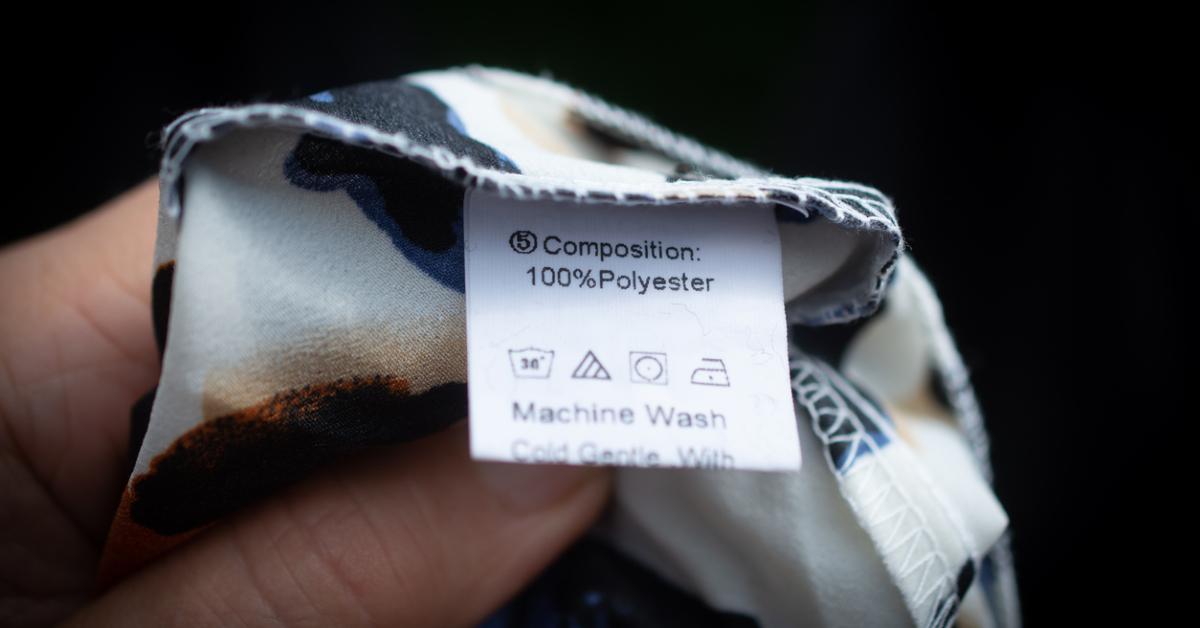
Do you like eating microplastics? We bet you don’t! Well, your adored polyester hoodie is likely contributing to the global plastic pollution crisis.
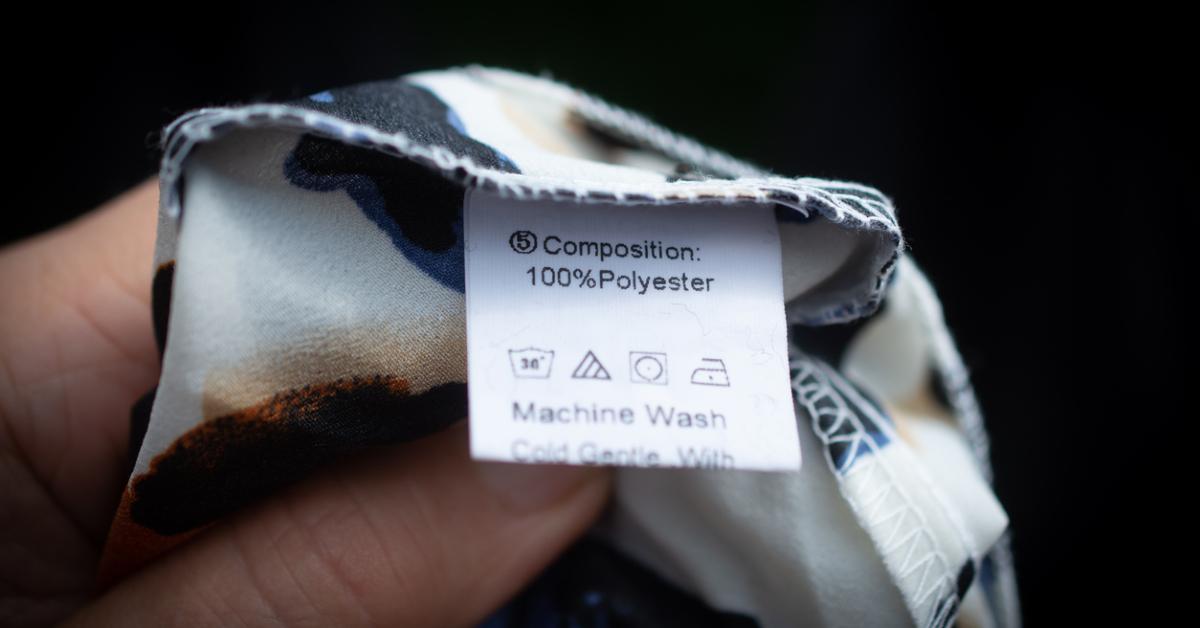
The Gist:
- Polyester is a synthetic fabric derived from a chemical reaction involving petroleum.
- It’s durable and cheap, making it one of the most popular fabrics in the world.
- The production, use, and washing of polyester clothing releases microplastics and toxic chemicals into the environment.
- These chemicals and microplastics make their way into our food and water and can negatively impact our overall health over time.
Article continues below advertisement
Considering the fabric reeks of tacky mundanity, it’s no wonder camp filmmaker John Waters (Pink Flamingos) named his 1981 satire flick about an in-over-her-head suburban housewife Polyester. And though it’s associated with cheapness, most of us — from all points on the financial spectrum — own at least three items of clothing possessing polyester shells, blends, or linings. So, what is the common textile, really?
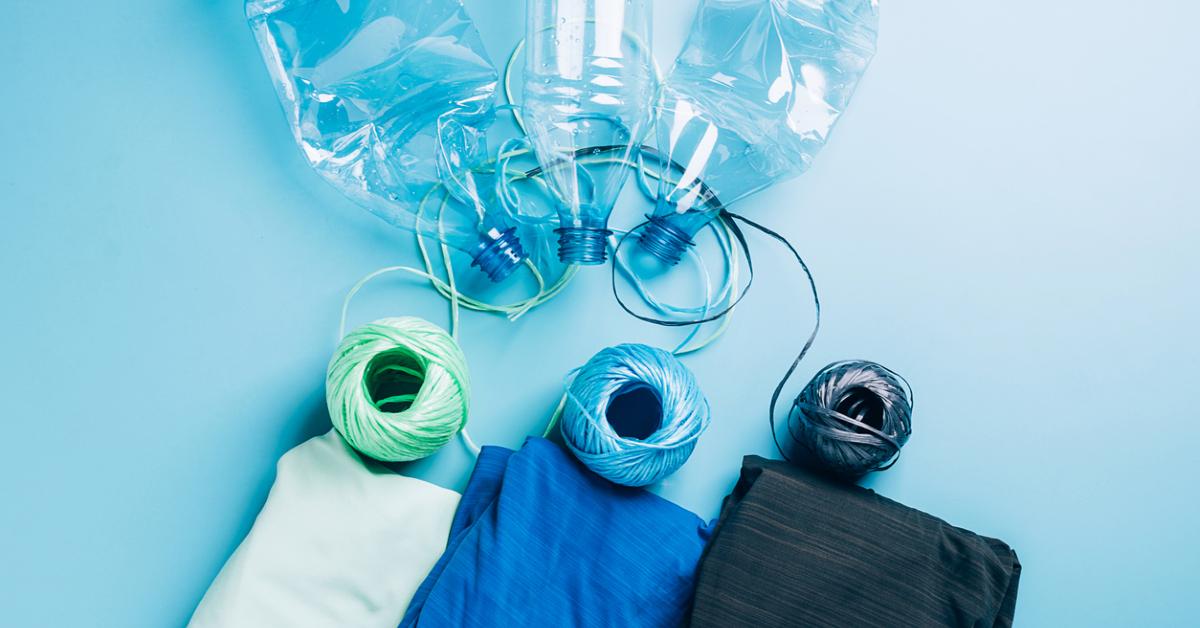
According to textile supplier Apex Mills, polyethylene terephthalate is a synthetic fiber made by mixing ethylene glycol with terephthalic acid. It’s so popular because its’ durable, moisture and wrinkle resistant, and moldable.
Polyester is an oil-based plastic and isn’t considered biodegradable, so it’s hard on the environment. But how does that discounted polyester dress affect your health; is it bad for you? Could budget-friendly fashion be … deadly? Without fearmongering, let’s talk facts.
Article continues below advertisement
Why is polyester considered “bad”?
Article continues below advertisement
When it comes to clothing, many brands offer recycled polyester pieces, which is a kinder alternative to using virgin plastics.
Still, when polyester clothing is produced, worn, and washed, it sheds microfibers — aka microplastics — which end up in our waterways and oceans. According to the Council of Fashion Designers of America, the washing and disposal of polyester also pollutes the water via the release of heavy metals and toxic chemicals.
Article continues below advertisement
And while we can’t help but giggle at satirical Gen Z bumper stickers that say “I eat microplastics,” there’s a sad truth to this. According to The BBC, “microplastics have infiltrated every part of the planet,” including the land, water (yes, drinking water), and air. Therefore, microplastics are a sneaky ingredient in the food we eat.
Article continues below advertisement
From there, sewage sludge (a wastewater byproduct) is routinely used as an organic fertilizer in the U.S. and Europe. Why? It’s both expensive to eliminate and rich in nutrients.
In short, sludge contaminates farmland and microplastics end up in food.
Article continues below advertisement
Willie Peijnenburg, an environmental toxicology and biodiversity professor at Leiden University in the Netherlands, found that crops absorb nanoplastic particles (which are even smaller than microplastics) via cracks in their roots. While leafy veggies like cabbage and lettuce likely contain small amounts of plastic particles, Peijnenburg warned that root vegetables contain higher levels of plastic particles.
Article continues below advertisement
Microplastics and chemicals found in synthetic materials can negatively impact human health.
Evidence has shown that chemicals added during the production of plastics can mess with the endocrine system, affecting hormones in the process. As detailed by The BBC, these nasty chemicals have also been linked to cancer, heart disease, and fetal growth restriction.
Article continues below advertisement